Cinq portraits, cinq engagements dans la transmission de la Maison Hannon
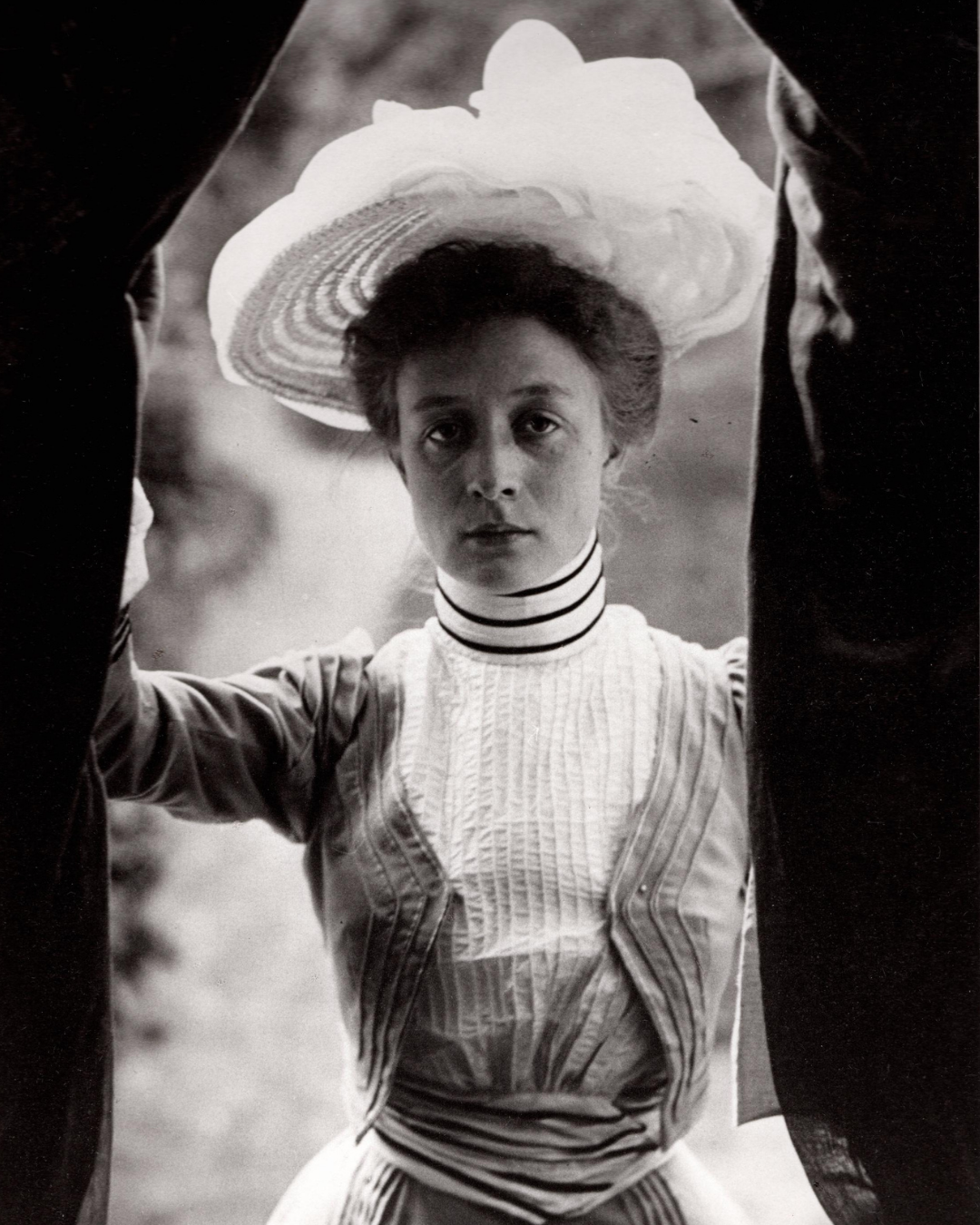
Created as part of the exhibition From Home to Heritage, the portraits gathered here offer a different way of approaching the Maison Hannon. Rather than a chronological narrative, they highlight the people who, at various times, helped ensure the house’s survival, enabled it to be seen in a new light, and facilitated its restoration.
Taken together, these stories reveal a sense of continuity. A succession of actions—preserving, raising awareness, deciding, documenting, passing on—which, when linked together, make the house’s current existence possible. Each person plays a specific role, and it is the sequence of these actions that gives meaning to the site’s history.
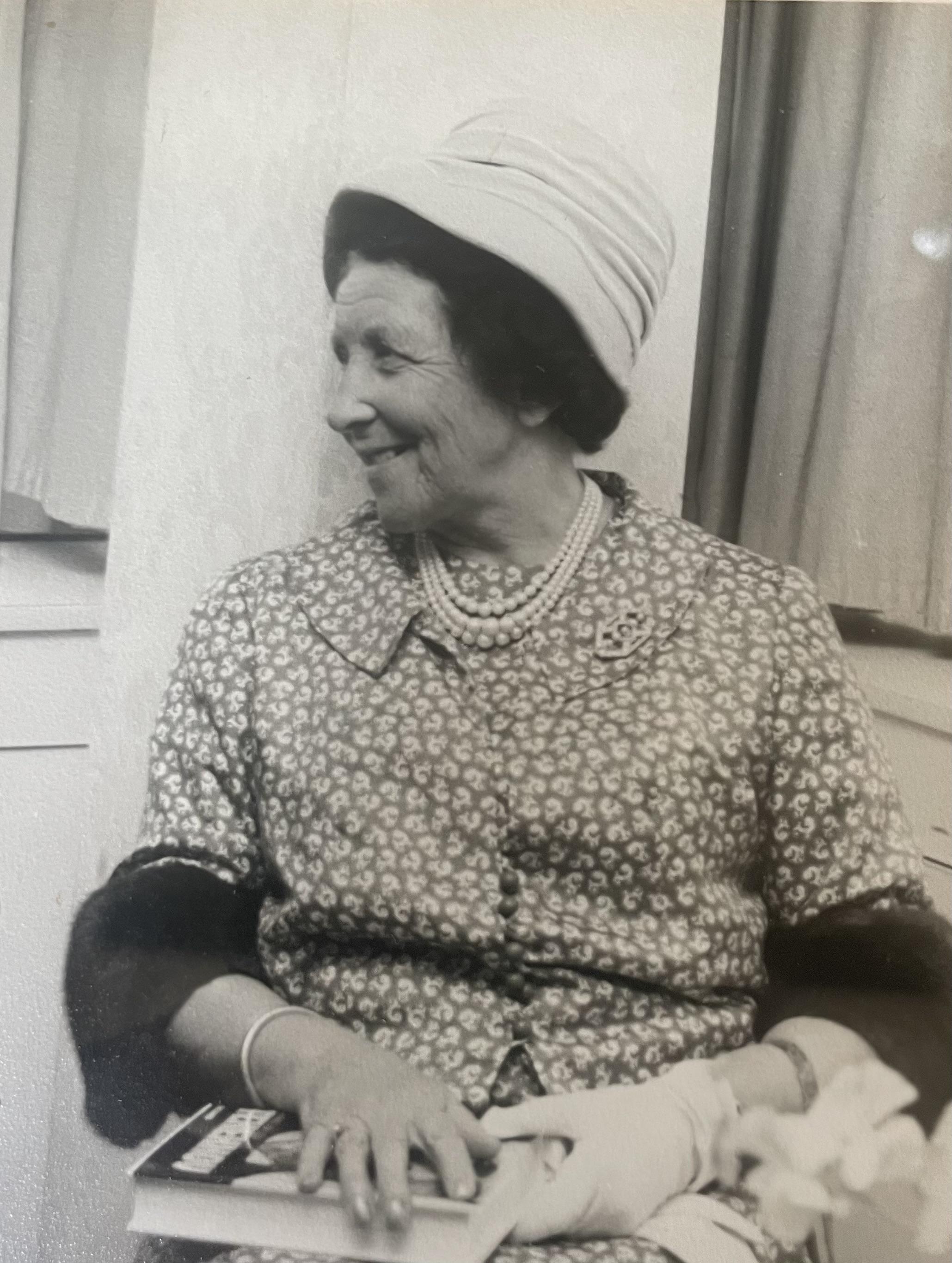
Above all, the house was once a home. Denise Hannon-Chardin, daughter of the Hannon couple, lived there until the mid-1960s. Her presence extended the use of the place and delayed its abandonment. She did not transform the house; she maintained it. With her passing in 1965, a rupture set in: the house lost its primary function and entered a period of uncertainty.
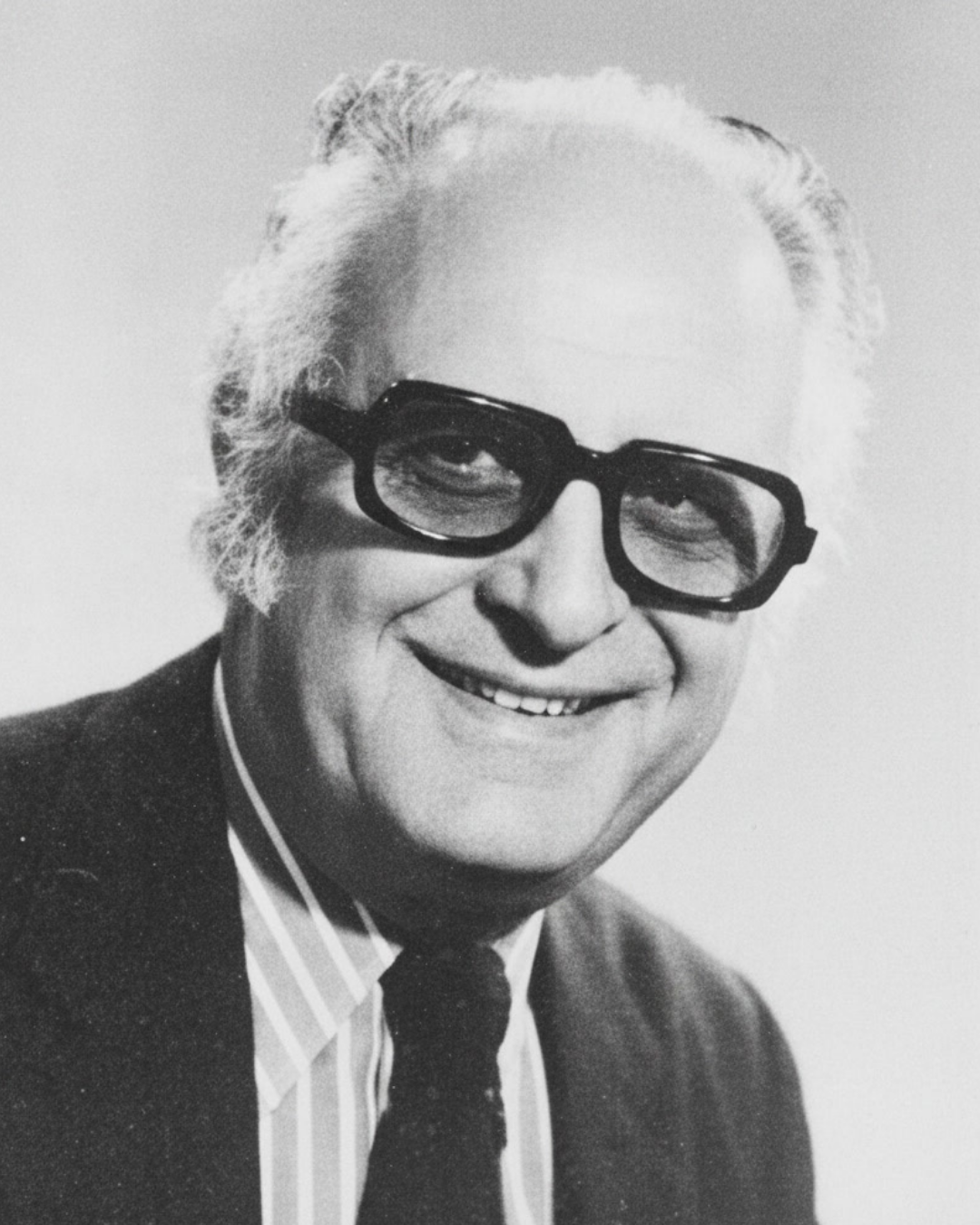
In the years that followed, this uncertainty sparked a response. Marie Van Mulders-Brunfaut, daughter of architect Jules Brunfaut, who was familiar with the house and its surroundings, took action to prevent its disappearance. She alerted the authorities and helped secure the listing of the facade in 1976. This step did not solve everything, but it marked a first turning point. The house then began to be recognized as a site worthy of preservation.
In the years that followed, this uncertainty sparked a response. Marie Van Mulders-Brunfaut, daughter of architect Jules Brunfaut, who was familiar with the house and its surroundings, took action to prevent its demolition. She alerted the authorities and helped secure the facade’s listing as a historic landmark in 1976. This step did not solve everything, but it marked a first turning point. The house then began to be recognized as a site worthy of preservation.
This recognition called for a commitment to responsibility. In 1979, at the initiative of bugomaster Jacques Vranckx, the commune of Saint-Gilles decided to acquire the building. Despite the property’s condition and the lack of a clear purpose for it, this decision brought the house into the public domain. It marked the transition from a fragile grassroots movement to collective stewardship and the rediscovery of Art Nouveau.
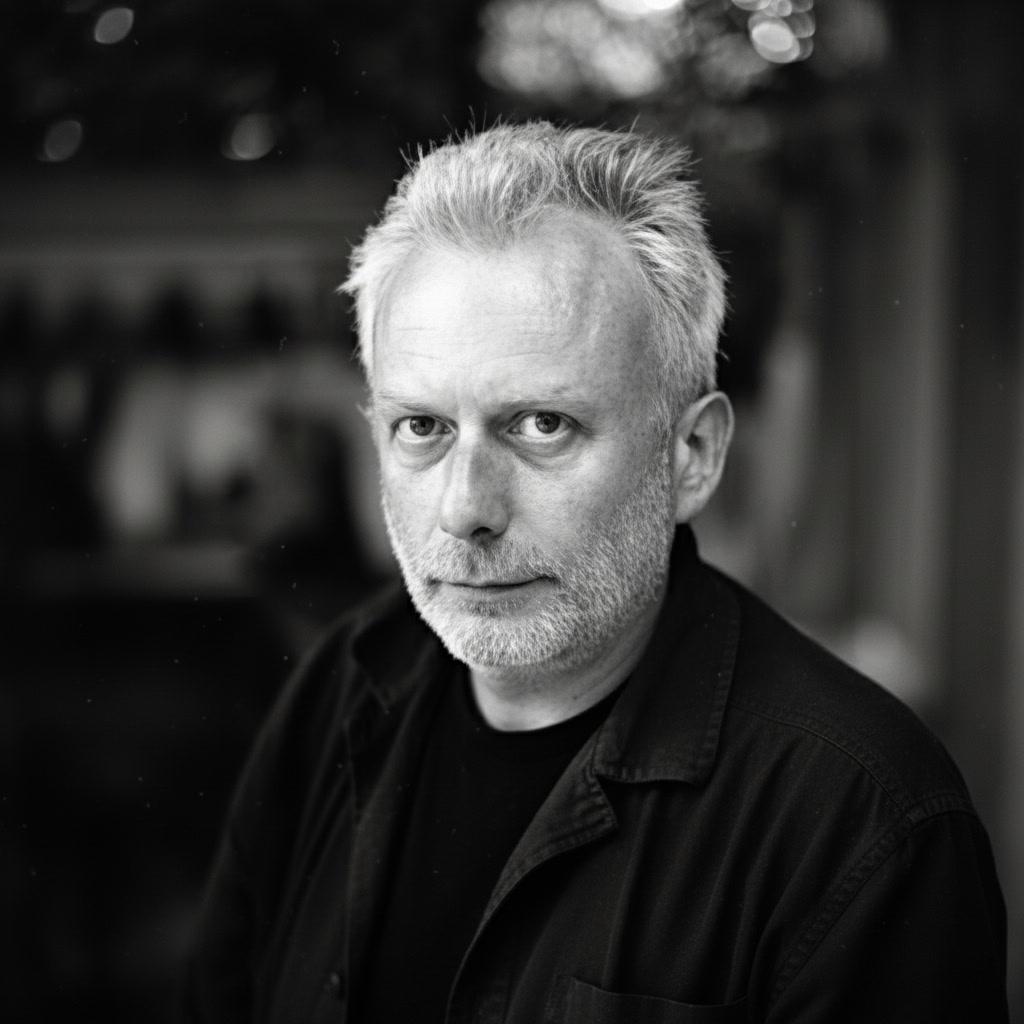
Jean-Louis Godefroid subsequently played an essential role in the life of the Maison Hannon. By establishing Contretype there in 1988, he helped transform this historic residence into a space dedicated to the creation, exhibition, and reflection on photography. His dedication helped maintain the vitality of this place and raise awareness of the legacy of Edouard Hannon, a pioneer of Belgian pictorialism. Thanks to this enduring cultural presence, Maison Hannon has been able to exert an influence far beyond its architectural heritage.
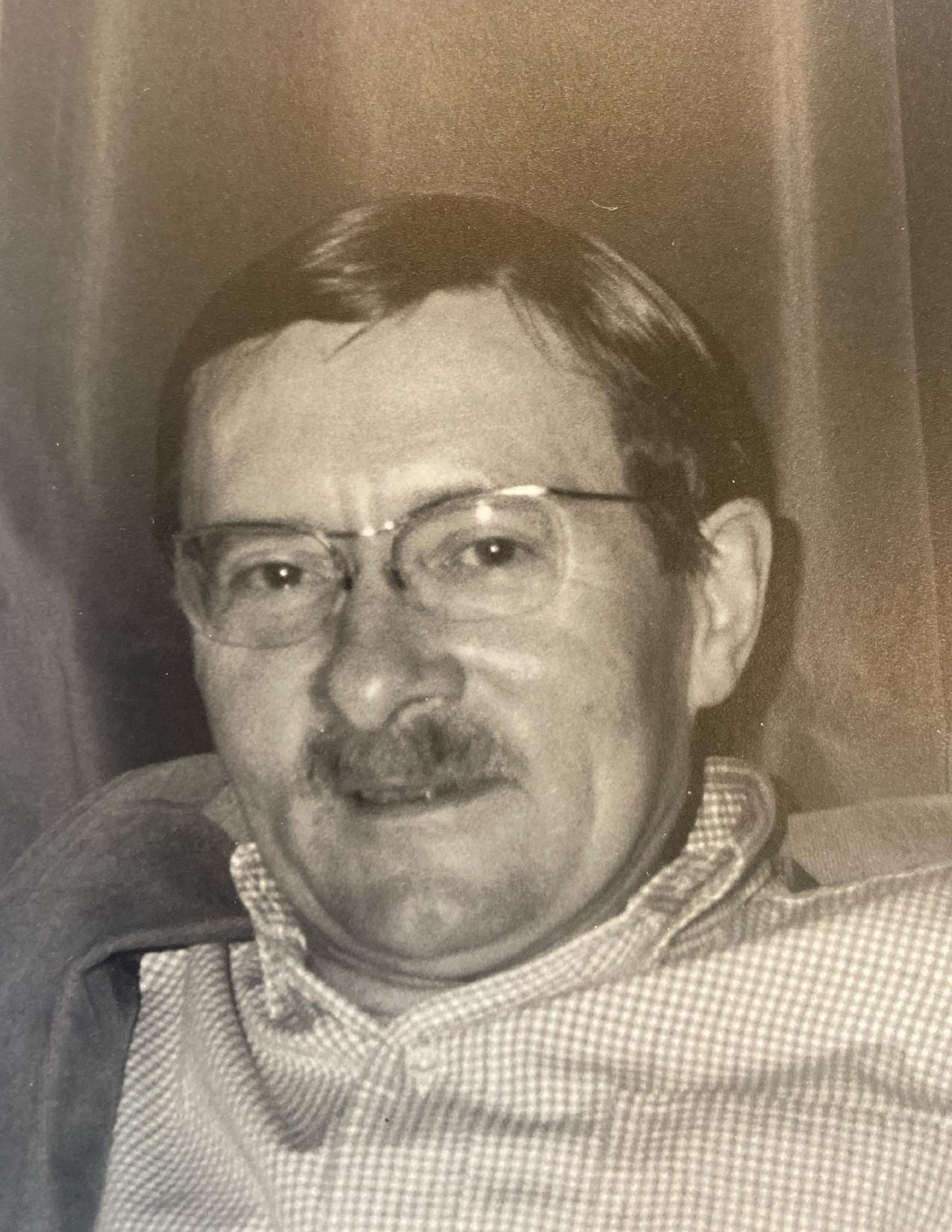
Finally, the memory of the place is being reconstructed and passed on. Patrick Théry, the great-grandson of the Hannon couple, is compiling photographs, archives, and accounts. His work helps connect scattered pieces and restore coherence to the house’s history. He is helping to transform it not only into a restored building, but into a living space. Together with Contretype, he is also ensuring the preservation and dissemination of Édouard Hannon’s photographic work as a key figure in Belgian pictorialism.
Through these different paths, a history shaped by a series of connections emerges. No single effort is sufficient on its own, but taken together, they make the current situation possible—its opening to the public and its future restoration.